Tag: PayPal

  • PayPal’s PYUSD Stablecoin on Solana Surpasses Ethereum Supply

    PayPal’s PYUSD Stablecoin on Solana Surpasses Ethereum Supply

    PayPal’s PYUSD Supply on Solana Outpaces Ethereum

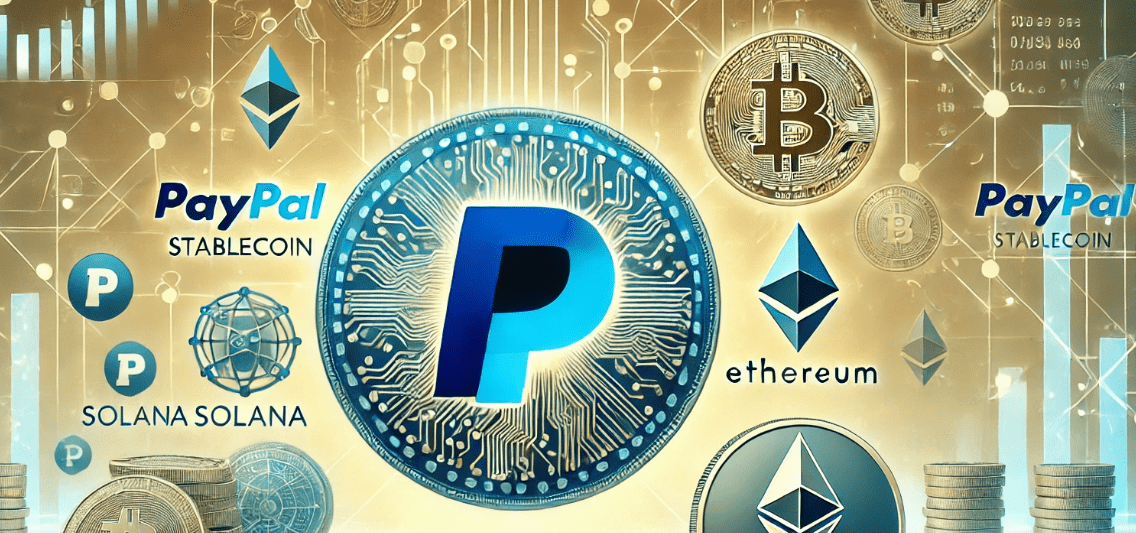
    In a significant milestone for PayPal’s U.S. dollar-pegged stablecoin, PYUSD, the supply on the Solana network has now surpassed its supply on the Ethereum network. As of the latest data, Solana-based PYUSD has a circulating supply of 377 million tokens, exceeding the 356 million tokens on Ethereum.

    Rapid Growth Since Launch

    PayPal launched its PYUSD stablecoin on the Ethereum network in August 2023, in partnership with custodian firm Paxos. The initial rollout saw a rapid increase in supply, with the total reaching 230 million by the end of 2023. Over the following months, the total supply of PYUSD more than tripled, surpassing 733 million tokens across all networks.


    The stablecoin expanded to Solana in May 2024, where it quickly gained traction. The adoption of PYUSD by Solana-based decentralized exchanges (DEXs) such as Jupiter and Orca has likely contributed to its rapid growth on the network. These exchanges have integrated PYUSD into their pools, providing liquidity alongside other top stablecoins like USDC and USDT.

    Solana’s Appeal for Stablecoin Issuers

    Solana’s increasing popularity as a network for stablecoin issuance is evident from the growing supply of PYUSD. The network’s high throughput, low transaction fees, and growing DeFi ecosystem make it an attractive platform for stablecoin issuers. The success of PYUSD on Solana underscores the network’s ability to compete with Ethereum, traditionally the go-to platform for stablecoin deployment.

    PayPal’s Position in the Stablecoin Market

    With a market capitalization of $733 million, PayPal’s PYUSD has secured its place as the fourth-largest centralized stablecoin issuer. It trails behind Tether (USDT) and Circle (USDC), which dominate the market with caps of $120 billion and $36 billion, respectively. First Digital (FUSD) also ranks ahead of PYUSD in terms of market capitalization.


    The expansion of PYUSD on Solana marks a significant development in the stablecoin landscape, as more issuers and users explore alternatives to Ethereum for deploying and utilizing stablecoins. This trend could lead to further diversification in the networks used for stablecoin operations, potentially driving innovation and competition in the space.

    The Future of PYUSD on Solana and Beyond

    As PYUSD continues to grow on Solana, it will be interesting to observe how the stablecoin’s supply and usage evolve across different networks. The increasing supply on Solana highlights the network’s potential to support large-scale stablecoin operations and its growing importance in the broader DeFi ecosystem.


    PayPal’s move to diversify PYUSD across multiple networks reflects a strategic effort to enhance the stablecoin’s accessibility and utility. As the stablecoin market continues to expand, PayPal’s PYUSD may further solidify its position as a major player, contributing to the ongoing development of decentralized finance and digital payments.

  • PayPal Adjusts Policies on NFT Transactions, Removing Protections

    PayPal Adjusts Policies on NFT Transactions, Removing Protections

    In a significant shift, PayPal has updated its policies to remove certain protections for non-fungible token (NFT) transactions. This change, set to take effect on May 20, marks a departure from the company’s previous stance on buyer and seller safeguards for NFT purchases and sales.

    Details of the New Policy

    Under the new terms, PayPal will no longer offer its buyer protection for NFT purchases. Additionally, NFT sales exceeding $10,000 will be exempt from protections against false claims and chargebacks, exposing sellers to potential financial risks from fraudulent activities.

    Rationale Behind the Policy Change

    A PayPal spokesperson explained that the decision was driven by the challenges in verifying order fulfillment and the dynamic nature of the NFT market. “Given the uncertainty around proof of order fulfillment and other variables in this evolving industry, we are no longer providing buyer protection and are limiting seller protection for NFTs,” they stated.

    Official Announcement and Policy Details

    The changes were first noted in a March 21 announcement on PayPal’s website but had not been widely reported until now. The updates specifically detail the exclusion of NFTs from PayPal’s Purchase Protection Program and adjustments to the Seller Protection Program to exclude transactions involving NFTs priced at or above $10,000.01 USD.

    Background on PayPal’s Engagement with NFTs

    Previously, PayPal had offered broad protections under its buyer and seller programs, which refunded buyers for items that were falsely advertised and protected sellers against payment disputes and fraudulent refund claims. These protections were later dialed back specifically for NFT sellers.

    PayPal’s Ongoing Involvement in Digital Assets

    Despite these policy changes, PayPal continues to demonstrate interest in the digital asset space. In 2022, the company introduced support for cryptocurrencies and filed a patent for an NFT purchase and transfer system that could provide royalties among other benefits to users.

  • PayPal’s PYUSD Stablecoin: A DeFi Game Changer

    PayPal’s PYUSD Stablecoin: A DeFi Game Changer

    PayPal Dives into DeFi with PYUSD

    In a significant move towards decentralized finance (DeFi), PayPal, a leader in digital payments, has made notable strides with its dollar-pegged stablecoin, PYUSD. Launched last August, PYUSD initially saw a slow uptake. However, recent developments indicate a surge in popularity, with its market capitalization skyrocketing to $290 million. This growth, particularly a remarkable 70% increase in the past 30 days, positions PYUSD as a rising player in the crypto stablecoin market.

    PYUSD’s Market Position and DeFi Integration

    PYUSD’s rapid expansion has earned it the twelfth spot among the largest stablecoins, as per CoinGecko data. Its integration into the DeFi ecosystem is steadily increasing. Notably, a liquidity pool combining PYUSD with FRAX stablecoin has amassed $134 million, ranking it as the fourth-largest on Curve Finance. Curve, an automated market-maker, facilitates stablecoin trading, providing a vital platform for PYUSD and FRAX exchanges. The issuance of PYUSD by Paxos further strengthens its position in the market.

    Curve Finance Incentives Boost PYUSD

    Sam Kazemian, Frax Finance’s founder, highlighted the new incentives on Curve Finance, set to enhance the FRAX-PYUSD pool’s appeal. Starting today, additional CRV tokens will be distributed to encourage trading activity. Kazemian’s vision is to establish FRAX and PYUSD as a ‘gold standard’ in stablecoins and integrate FRAX into PayPal’s mobile app, further bridging the gap between traditional finance and DeFi.

    PYUSD’s Impact on the Financial Sector

    PYUSD’s success is a pivotal move for internet-native financial companies in blockchain finance. If PYUSD continues to generate revenue, it could pave the way for more financial institutions to explore blockchain-based solutions.

    Expansion of PYUSD in DeFi Platforms

    Another significant development for PYUSD is its potential integration with Aave v3, the latest version of the popular lending protocol. A current proposal, receiving unanimous support in initial voting, aims to onboard PYUSD as a supply and borrowing asset on Aave. This move will further enhance PYUSD’s utility in the DeFi ecosystem.

    PYUSD’s Emerging Role in DeFi

    PayPal’s venture into DeFi with PYUSD marks a new era in digital finance. As PYUSD continues to gain traction and establish itself in various DeFi platforms, it sets a precedent for other financial entities to follow suit in the blockchain space.

  • MetaMask Introduces Crypto-to-Cash Conversion: A New Era for Web3

    MetaMask Introduces Crypto-to-Cash Conversion: A New Era for Web3

    MetaMask, a leading self-custodial hot wallet boasting over 22 million users, has unveiled a groundbreaking feature. Now, users can seamlessly convert their cryptocurrencies into traditional fiat currencies like USD. This move is a testament to the growing efforts of web3 pioneers to bridge the gap between digital assets and real-world usability.

    The Rise of Self-Custodial Wallets

    In the wake of the FTX collapse, self-custodial wallets, which grant users full control over their digital assets, have gained traction. Historically, these wallets posed technical challenges, making them daunting for the average user. However, MetaMask is at the forefront of transforming this narrative, striving for a more user-centric approach.

    Why This Matters

    The importance of self-custody cannot be overstated. With centralized exchanges showing vulnerabilities, the demand for more secure, user-controlled solutions has skyrocketed. MetaMask’s new feature is a response to this demand, ensuring users have more control and flexibility over their assets.

    How the Cash-Out Feature Works

    Initially, the cash-out feature will support the conversion of ETH, the world’s second-largest cryptocurrency. The conversion process is straightforward:


    1. Users select their country.
    2. They determine the amount they wish to cash out.
    3. A list of third-party “off-ramp” providers, such as Moonpay and Transact, appears. Notably, these providers also support MetaMask’s “on-ramp” process.


    Moonpay then takes the reins, converting the ETH and depositing the equivalent amount in the user’s bank account, all in a matter of minutes. Additionally, users have the option to withdraw to PayPal, a long-standing partner of MetaMask.

    Potential for Mass Adoption

    The introduction of this off-ramp feature could be a catalyst for MetaMask’s widespread adoption. However, its success hinges on providing a cost-effective and smooth experience for users. It’s essential to note that users will bear the gas fee, a payment to network validators. Additionally, transaction fees to providers like Moonpay may apply.

    A Deeper Dive into Costs

    While the convenience of the feature is evident, users should be aware of the associated costs. Gas fees, essential for transactions on decentralized networks, can fluctuate based on network congestion. Moreover, third-party providers like Moonpay might have their own fee structures, impacting the total amount users receive.

    The Future of Web3 and MetaMask

    As the crypto landscape evolves, tools that enhance user experience and bridge the digital-physical divide will be paramount. MetaMask’s latest feature is a step in this direction, signaling a brighter future for web3 enthusiasts and casual users alike.

  • Top 15 Universities Pioneering Blockchain and Cryptocurrency Education

    Top 15 Universities Pioneering Blockchain and Cryptocurrency Education

    The Blockchain and Cryptocurrency Revolution

    Blockchain and cryptocurrency are not just buzzwords; they’re revolutionary technologies that are reshaping various industries. According to Grand View Research, the global blockchain market is expected to reach a staggering $1.43 trillion by 2030.

    Industries Transformed by Blockchain

    From healthcare to supply chains, blockchain is making waves. Companies like Estée Lauder and Mediledger Network are leveraging blockchain for supply chain transparency and combating counterfeit medicine, respectively.

    The Need for Specialized Education

    As blockchain and cryptocurrency technologies gain traction, the demand for specialized education in these fields is skyrocketing. Universities are stepping up to fill this educational gap.

    The Criteria for Our Rankings

    We used the QS World University Rankings 2024 and considered various indicators like sustainability, employer reputation, and employment outcomes to compile this list.

    The Top 15 Universities


    1. **California Institute of Technology (Caltech)**: Offers detailed courses and boot camps in blockchain and cryptocurrency.

    2. **University of Melbourne**: Provides a variety of blockchain and crypto courses, including dedicated courses in digital currencies.

    3. **Cornell University**: Facilitates in-depth knowledge of blockchains and crypto through a range of courses.

    4. **University of Pennsylvania**: Offers both on-campus and online courses on cryptocurrency and blockchain.

    5. **University of Chicago**: Provides courses that cover crypto and blockchain models, markets, and opportunities.

    6. **University of California, Berkeley (UCB)**: Offers online programs and professional certificates in blockchain and cryptocurrency.

    7. **University College London**: Conducts workshops and events dedicated to educating students about crypto and blockchain.

    8. **National University of Singapore (NUS)**: Aims to impart knowledge about the commercial aspects of disruptive technologies like blockchain.

    9. **ETH Zurich**: Conducts regular workshops and conferences under its ETH blockchain initiative.

    10. **Imperial College London**: Has a dedicated center for cryptocurrency research and engineering.

    Payment Giants Investing in Blockchain

    Companies like Mastercard, Visa, and Paypal are also investing in the future of blockchain technology, further emphasizing the importance of specialized education in this field.


    The top universities are playing a pivotal role in shaping the future of blockchain and cryptocurrency by providing high-quality education. As these technologies continue to evolve, the need for experts in the field will only grow.


  • Ledger Enables Crypto Purchases via PayPal Integration

    Ledger Enables Crypto Purchases via PayPal Integration

    Ledger Enables Crypto Purchases via PayPal Integration

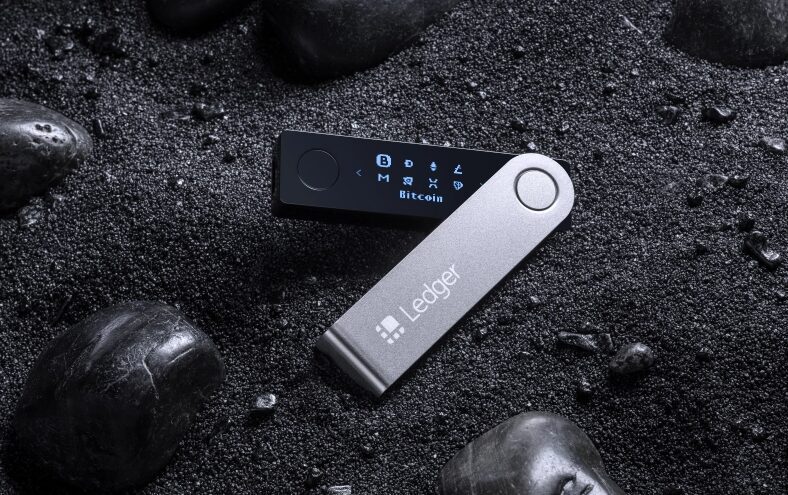
    In a recent significant development, Ledger, a leading hardware wallet provider, has teamed up with global payment titan PayPal. This collaboration aims to streamline cryptocurrency purchases directly through the Ledger Live application, using PayPal accounts.

    Ledger Live: A Gateway for Secure Crypto Transactions

    Ledger Live is a unique feature provided by Ledger that lets users purchase cryptocurrencies using fiat currencies and then safely store those tokens in a hardware wallet. With this new integration, users will no longer need additional verification to link their PayPal accounts to the Ledger Live app.

    Uniting Ledger’s Security with PayPal’s Payment Expertise

    Pascal Gaithier, the CEO of Ledger, shared his enthusiasm about this partnership in a statement. “Incorporating Ledger’s steadfast security approach with PayPal’s renowned payment protection services, we strive to establish a frictionless environment for user crypto transactions,” he noted. “Our goal at Ledger is to demystify the complex world of cryptocurrencies, and PayPal shares our vision of making monetary transactions as straightforward, trustworthy, and cost-effective as possible.”

    A Glimpse at Cryptocurrencies Available on Ledger Live

    As of now, users in the United States can purchase four cryptocurrencies through Ledger Live, namely Bitcoin (BTC), Ethereum (ETH), Bitcoin Cash (BCH), and Litecoin (LTC).

    PayPal’s Continuing March into the Crypto World

    This collaboration highlights PayPal’s continued foray into the burgeoning world of cryptocurrencies. Earlier this month, the payments giant made headlines when it announced the launch of its own stablecoin, PayPal USD (PYUSD), as part of its commitment to fostering the evolution of digital payments.

  • PayPal’s Cryptocurrency Hub: A New Chapter in Digital Payments

    PayPal’s Cryptocurrency Hub: A New Chapter in Digital Payments

    Bridging Digital Currencies and Mainstream Users

    PayPal is set to launch its “Cryptocurrencies Hub,” a feature allowing users to interact with Bitcoin and other digital currencies directly within their PayPal accounts. This move is seen as a significant step towards the mainstream adoption of cryptocurrencies.

    PYUSD: PayPal’s Own Stablecoin and Its Role

    The launch of PayPal’s Cryptocurrencies Hub comes closely after the unveiling of its PYUSD stablecoin. Issued by Paxos, PYUSD is pegged to the US dollar and is expected to play a vital role in PayPal’s new crypto services.

    How to Access PayPal’s Crypto Services 

    To access the Cryptocurrencies Hub, users must have a personal PayPal account in good standing. PayPal will also require users to verify their identity, which may include government-issued photo ID, proof of residency, and potentially biometric information.

    Concerns and Controversies: Centralization and Control 

    While PayPal’s crypto initiatives are groundbreaking, they have sparked debates within the crypto community. Critics are concerned about centralization and the control that PayPal and Paxos may have over users’ digital assets.

    Potential Impact: Will PayPal’s Move Accelerate Adoption? 

    PayPal’s foray into the crypto space could be a game-changer. With 420 million users, if a significant portion of PayPal’s user base embraces its stablecoin for low-fee transactions, this could potentially drive widespread crypto adoption and encourage more merchants to accept digital currencies.


    Learn more about PayPal’s Cryptocurrency services on the official website

  • PayPal’s Game-Changing Move: Introduction of the PayPal USD Stablecoin

    PayPal’s Game-Changing Move: Introduction of the PayPal USD Stablecoin

    PayPal’s Vision: The Launch of PayPal USD Stablecoin

    In a significant announcement, PayPal has unveiled its U.S. dollar-denominated stablecoin, PayPal USD (PYUSD). This move is a testament to the transformative potential of fully-backed, regulated stablecoins in the evolving web3 and digital landscapes. Designed to enhance payment opportunities, PYUSD is backed entirely by U.S. dollar deposits, short-term U.S Treasuries, and similar cash equivalents.

    Bridging the Gap: Connecting Fiat and Web3

    PayPal USD aims to serve consumers, merchants, and developers by seamlessly integrating fiat and digital currencies. As the exclusive stablecoin within the PayPal network, it combines PayPal’s extensive experience in large-scale payments with the agility and programmability of blockchain protocols. Built as an ERC-20 token on the Ethereum blockchain, PYUSD promises wide adaptability, catering to a vast community of developers, wallets, web3 applications, and more.

    Transparency and Trust: The Backbone of PayPal USD

    Issued by the Paxos Trust Company and under the regulatory purview of the New York State Department of Financial Services, PayPal USD ensures trust and transparency. With reserves fully backed by U.S. dollar deposits and Treasuries, the stablecoin maintains a 1:1 redeemability with the U.S. dollar. To further bolster trust, Paxos will release monthly Reserve Reports and third-party attestations, ensuring clarity on reserve assets.

    Educating the Masses:
    PayPal’s Commitment to Digital Currency Awareness

    Beyond product development, PayPal emphasizes educating consumers and merchants about cryptocurrencies, stablecoins, and central bank digital currencies (CBDCs). The company’s dedication to fostering understanding and adoption is evident in its range of educational content and services. For a deeper dive into PayPal’s cryptocurrency services visit the official website.


    For more discussions on the latest crypto trends, visit our news section.

  • FedNow: Revolutionizing the U.S. Payment System with Instant Transactions

    FedNow: Revolutionizing the U.S. Payment System with Instant Transactions

    The Dawn of a New Era: FedNow’s Launch

    The U.S. Federal Reserve has launched a long-awaited service, FedNow, aiming to modernize the country’s payment system. This service will enable everyday Americans to send and receive funds in seconds, 24 hours a day, seven days a week.

    Bridging the Gap:
    How FedNow Compares to Global Counterparts

    FedNow seeks to eliminate the several-day lag it commonly takes cash transfers to settle, aligning the U.S. with countries like the United Kingdom, India, Brazil, and the European Union, where similar services have existed for years.

    The Power Players:
    Banks and Service Providers Embracing FedNow

    FedNow is launching with 41 banks and 15 service providers certified to use the service, including community banks and large lenders like JPMorgan Chase, Bank of New York Mellon, and US Bancorp. The Federal Reserve plans to onboard more banks and credit unions this year.

    The Competitive Landscape:
    FedNow vs. Private Sector Real-Time Payments Systems

    FedNow will compete with private sector real-time payments systems, including The Clearing House’s RTP network. Initially opposed by big banks who deemed it redundant, many have since agreed to participate, recognizing FedNow’s potential to expand the services they can offer clients.

    The Consumer’s Gain:
    How FedNow Benefits Everyday Americans

    Unlike peer-to-peer payments services like Venmo or PayPal, which act as intermediaries between banks, payments made via FedNow will settle directly in central bank accounts. While the new FedNow system is for everyone, it’s likely to benefit consumers and small businesses the most.

    Addressing the Concerns:
    FedNow’s Impact on Financial Stability

    Some market participants have raised concerns that FedNow could super-charge a potential bank run by facilitating fast outflows from financial institutions. However, Fed officials have downplayed those concerns, arguing that banks have tools available to mitigate a wave of outflows.


    For more information about FedNow, visit the official FedNow website.